
Professional Foundations & Garden Drainage in Bewdley & Surrounding Areas
KM Fencing provides professional garden drainage in Bewdley & surrounding areas, helping homeowners, landlords and businesses address excess surface water and prepare outdoor spaces for improvement. From installing French drains and soakaways to excavation, trenching and foundation work, our experienced team delivers practical groundwork solutions tailored to your property’s conditions. Whether you’re tackling waterlogged areas or planning a new patio or driveway, we’re here to help.
Experienced Local Specialists for Your Outdoor Project
- Established in 1987: Decades of practical fencing and landscaping experience.
- Family-Run Business: Personal service from an established local team.
- In-House Groundworks: Excavation, levelling and site preparation undertaken by our team.
- Practical Water Management: French drains, soakaways and surface water solutions.
- Complete Landscaping Services: Coordinated work for patios, driveways and outdoor improvements.
- Local Experience: Serving Bewdley and surrounding Worcestershire communities.
Call Us: 07903 156616
Email Us: kmfencing4you@gmail.com
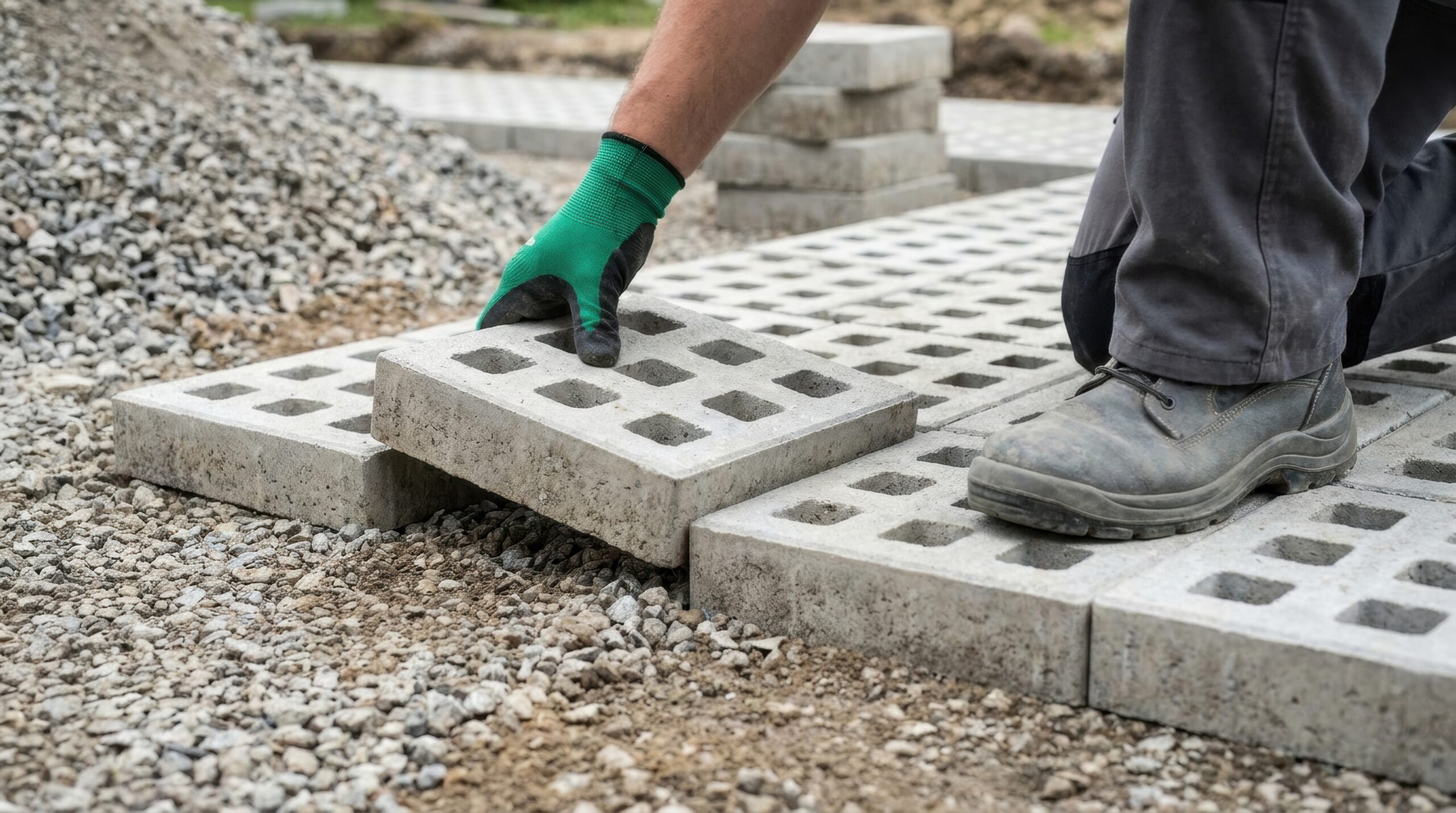
Our Drainage, Foundations & Footings Services
Effective groundwork helps manage surface water and provides suitable support for outdoor installations. We undertake a range of services designed around existing site conditions and the requirements of your project.
Our services include:
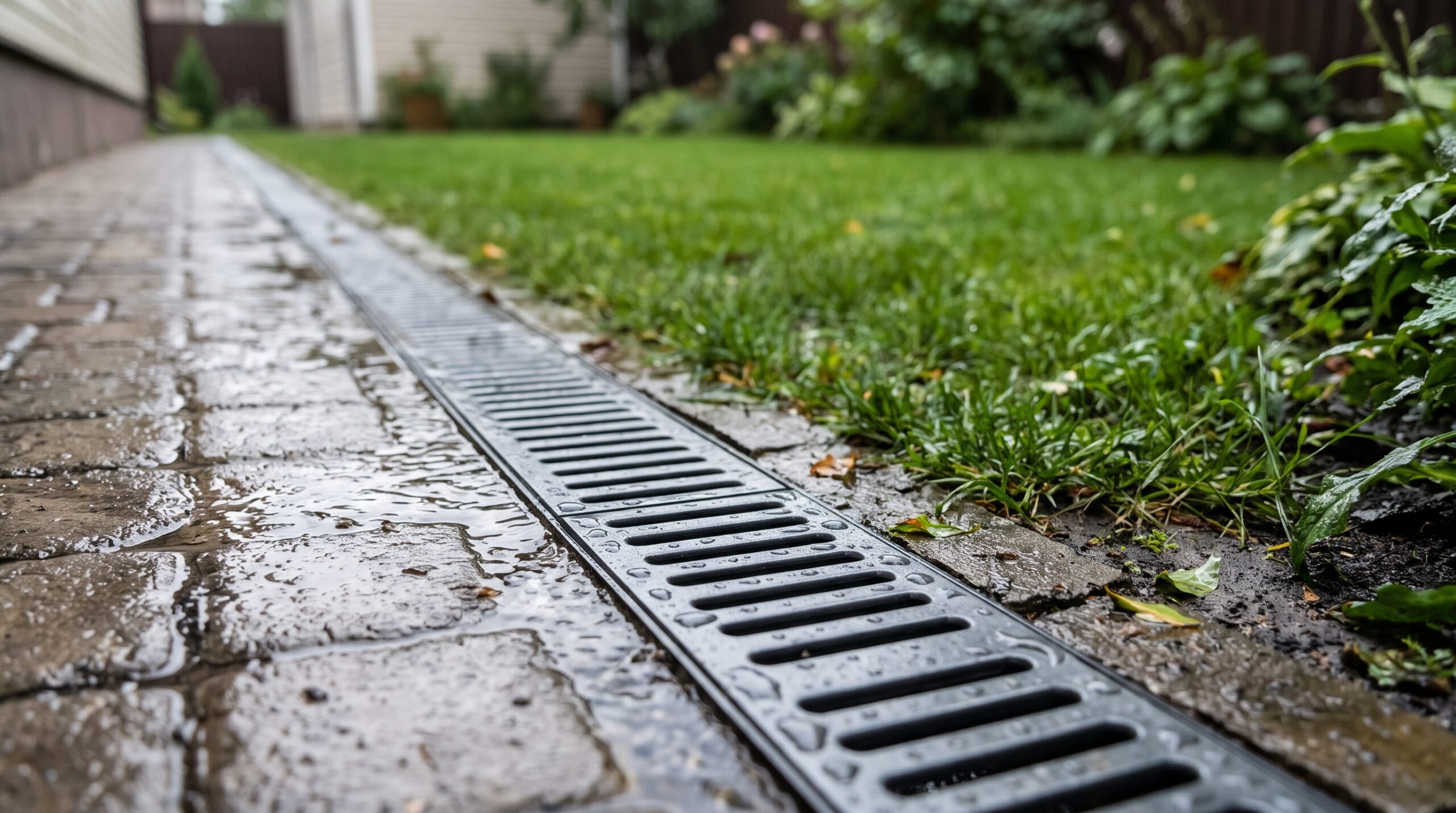
- French Drain Installation: Gravel-filled trenches with suitable pipework to collect and redirect excess water.
- Soakaway Installation: Underground systems designed to allow collected rainwater to disperse into suitable surrounding soil.
- Surface Water Management: Solutions to help reduce standing water and uncontrolled runoff.
- Trenching & Excavation: Creating channels for suitable pipework, services and other groundwork requirements.
- Foundations & Footings: Excavation and base preparation for suitable outdoor structures and landscaping features.
- Sub-Base Installation: Installing and compacting aggregate layers to support paving and driveway surfaces.
We can incorporate these services into larger groundworks projects or discuss individual requirements.
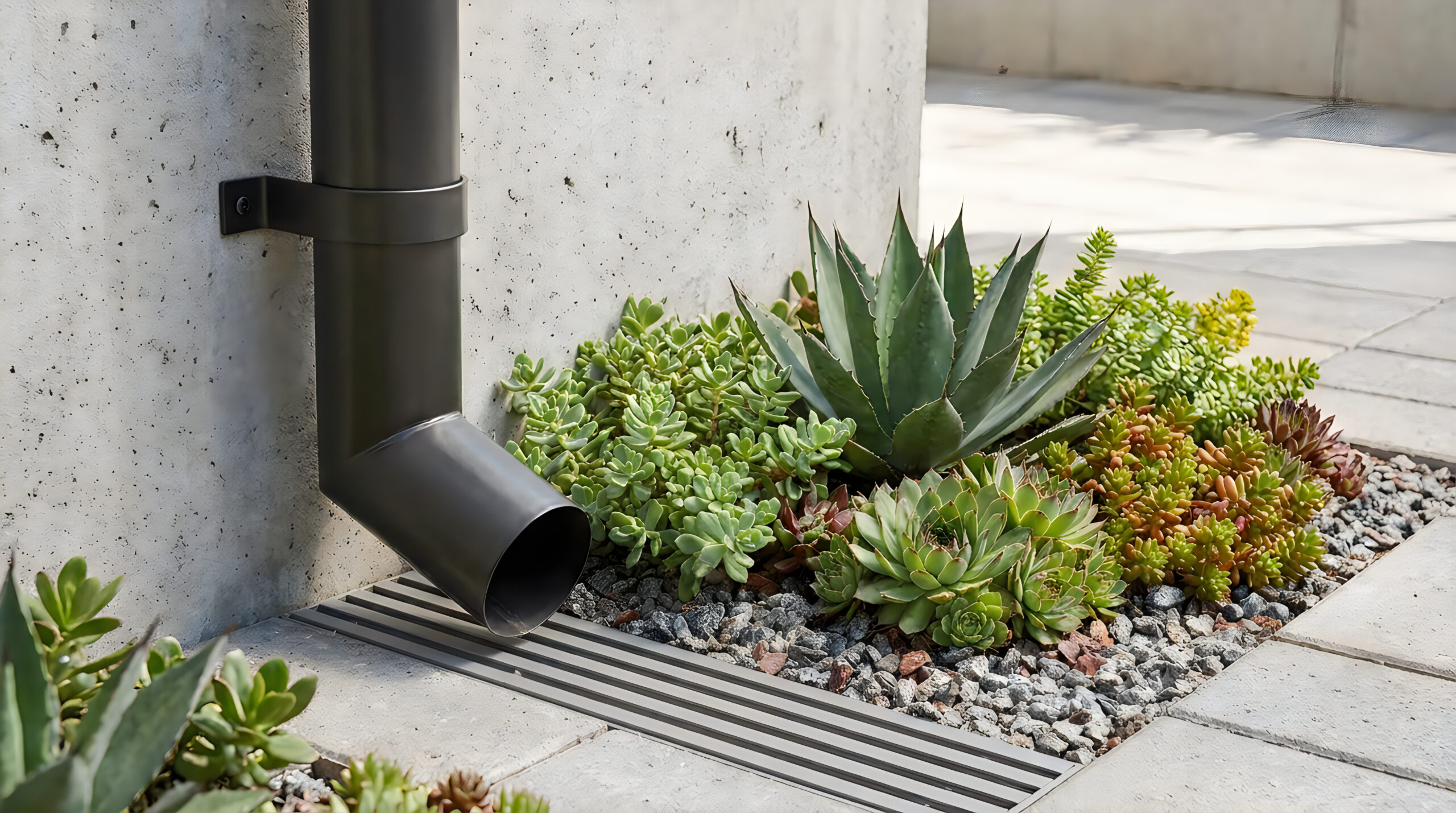
Solving Waterlogged Areas & Surface Water Problems
Standing water can make outdoor spaces difficult to use, damage lawns and contribute to deterioration around paved areas.
Common signs of poor water management include:
- Persistent puddles after rainfall.
- Saturated soil that remains wet for extended periods.
- Water collecting beside patios, pathways or driveways.
- Surface runoff travelling towards buildings or neighbouring properties.
- Soil erosion around sloping outdoor areas.
The most suitable solution depends on soil permeability, existing levels, rainfall runoff and the available discharge options.
We assess the site before recommending an approach. For example, soakaways depend on suitable soil conditions and adequate separation from buildings, while French drains require an appropriate outlet.
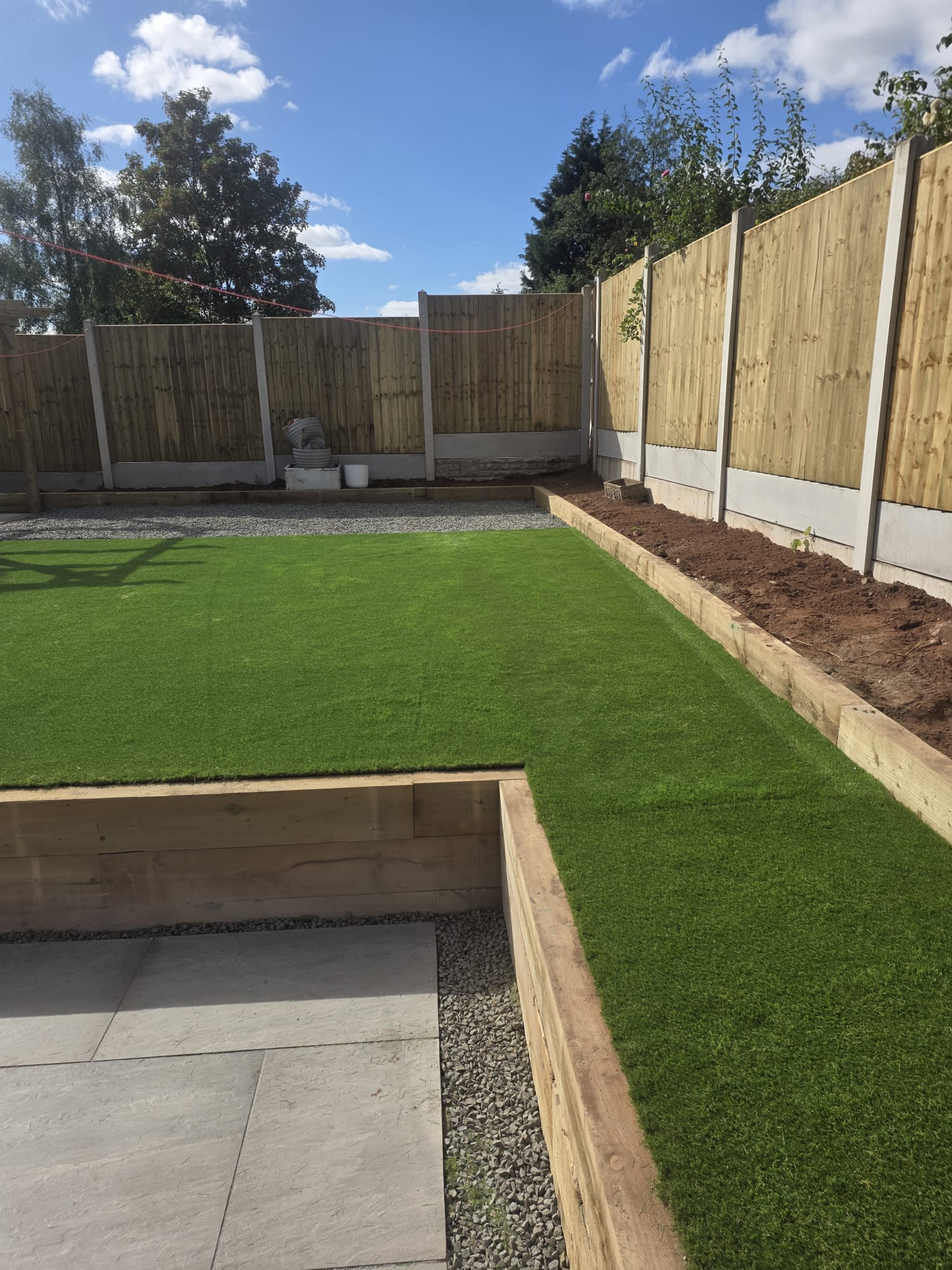
Reliable Base Preparation for Outdoor Installations
A properly prepared base is essential when installing new paving, driveways and other exterior features.
We undertake excavation, levelling and sub-base installation to support:
- New patios and paved seating areas.
- Driveway installations and extensions.
- Pathways and hard landscaping.
- Suitable outdoor structures and landscaping features.
- Projects requiring trench excavation or changes in level.
The required depth, materials and construction method depend on the intended use and site conditions.
Structural foundations requiring engineering specifications or Building Regulations approval must follow the appropriate design and approval requirements.
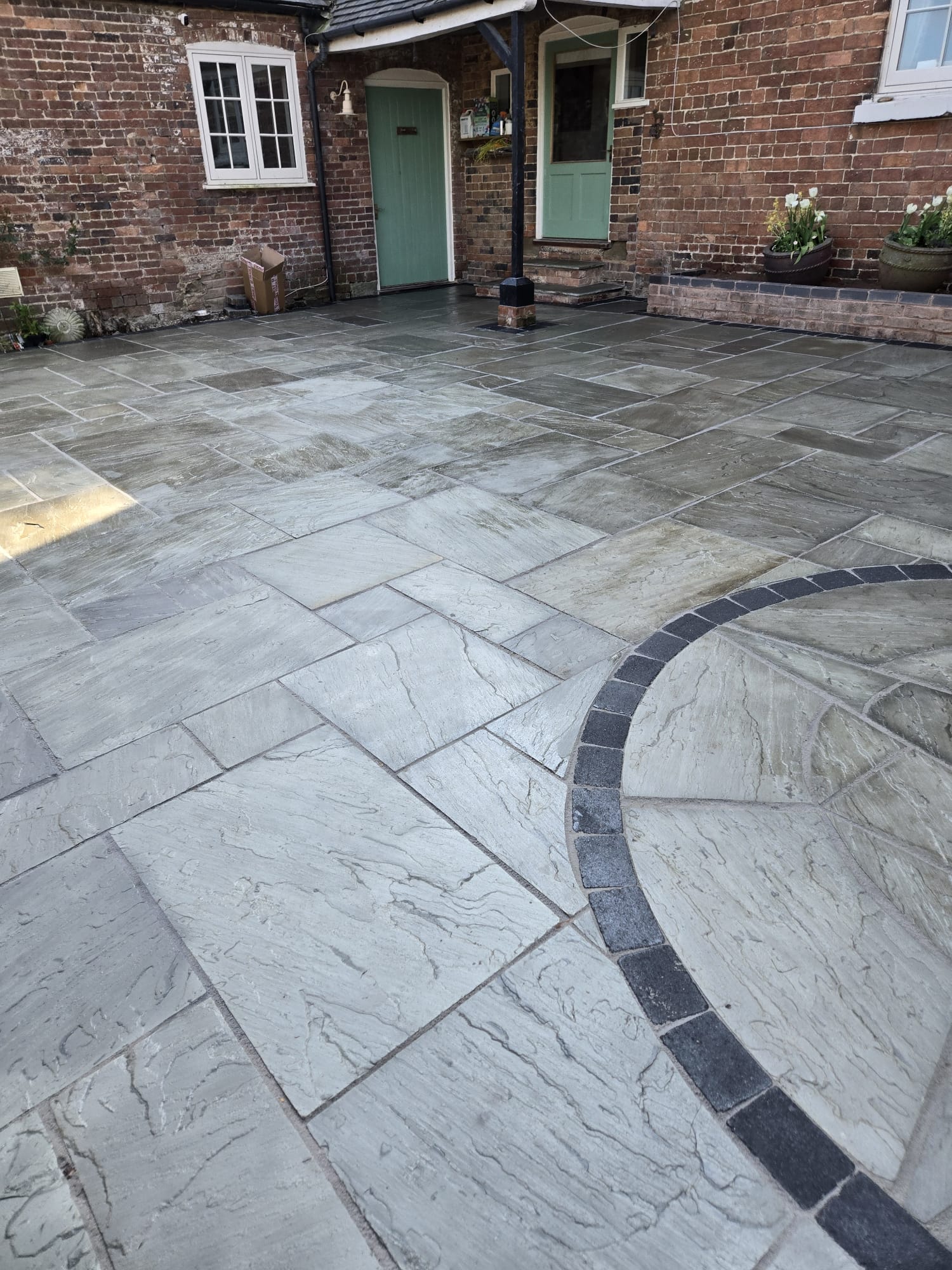
Common Causes of Poor Garden Drainage
Persistent waterlogging can make outdoor spaces difficult to maintain, damage lawns and prevent planned landscaping improvements. Understanding why excess water accumulates is essential for identifying the most suitable long-term solution.
Several factors can contribute to poor drainage, including:
- Heavy Clay Soil: Dense soil restricts water movement, causing moisture to remain close to the surface.
- Compacted Ground: Heavy use, construction work and machinery can compress soil, reducing its ability to absorb rainfall.
- Uneven Land Levels: Low-lying areas and poorly graded surfaces can collect water rather than allowing it to flow away naturally.
- Blocked Drainage Systems: Debris, sediment and damaged pipework can prevent existing systems from functioning effectively.
- Excess Surface Runoff: Rainwater flowing from roofs, patios and driveways can overwhelm areas with limited absorption capacity.
- High Water Table: Naturally elevated groundwater levels can contribute to persistent saturation, particularly during wetter months.
At KM Fencing, we assess existing site conditions to help identify the factors contributing to water accumulation. This allows us to recommend practical solutions suited to your property’s layout, soil conditions and landscaping requirements.
How Our Groundworks Process Works
Step 1 – Initial Site Assessment
We visit your property to assess existing conditions, access and the proposed work. For water management projects, we consider surface levels, visible problem areas and potential discharge routes.
Step 2 – Recommended Solution & Quotation
We discuss the suitable approach and provide a quotation reflecting the required excavation, materials, equipment and installation work.
Step 3 – Excavation & Installation
Our team carries out the agreed trenching and earthworks before installing the specified pipework, aggregates or supporting base materials.
Step 4 – Completion & Site Check
We check the completed work against the agreed requirements and prepare the area for any subsequent landscaping or surface installation.
What Affects the Cost of Groundworks?
Costs vary depending on the site and the work required.
Key factors include:
- Project Size: The area, depth and extent of excavation.
- Soil Conditions: Ground composition, permeability and existing water levels.
- System Requirements: Pipework, aggregates, soakaways or other specified materials.
- Site Access: Space available for machinery and material deliveries.
- Waste Removal: The amount of surplus soil and rubble requiring disposal.
We provide tailored quotations after discussing your requirements.
Areas We Serve
Based in Bewdley, we undertake groundwork and outdoor improvement projects across the surrounding area, including:
- Bewdley
- Kidderminster
- Stourport-on-Severn
- Rock
- Hartlebury
- Far Forest
- Cleobury Mortimer
You can also explore our full service area.
Frequently Asked Questions
What Is the Best Solution for a Waterlogged Garden?
The best solution depends on why water is accumulating. Poor soil permeability, uneven levels and restricted runoff can all contribute to standing water. French drains, soakaways or surface regrading may be suitable, but the cause must be considered before choosing a system.
What Is the Difference Between a French Drain & a Soakaway?
A French drain collects and channels water through a permeable trench, often containing perforated pipework. A soakaway provides underground storage that allows water to infiltrate the surrounding soil. These systems serve different purposes and may be combined where site conditions permit.
Can You Install Footings for Outdoor Structures?
We undertake excavation and base preparation for suitable outdoor landscaping projects. The required dimensions, reinforcement and construction specifications depend on the structure and its intended loading. Where structural engineering or regulatory approval is necessary, the work must follow an appropriate approved design.
How Long Does Drainage Installation Take?
The duration depends on the size of the area, excavation requirements, access and system complexity. Smaller installations may take less time than extensive pipework or multiple collection points. We can discuss anticipated timescales once the work has been assessed.
Do I Need Permission to Install a Soakaway?
Permission or approval requirements depend on the location, proposed discharge, development type and applicable regulations. Soil infiltration tests and other assessments may also be needed. We recommend checking relevant requirements before installation, particularly where buildings, boundaries or existing watercourses could be affected.